

What is Fuel Polishing?
Technically speaking, Fuel Polishing is the process of extracting diesel fuel from storage tanks, passing it through an external closed-loop filtration system, removing water, sediment, sludge, rust particles, and microbial contamination (fuel bacteria), and then returning the cleaned fuel back into the tank. This process is called “polishing” because it restores the physical quality of the fuel to near-original refinery standards without altering its chemical composition.
Fuel polishing is far more comprehensive than a conventional fuel filter replacement. Standard filters installed on generators only provide protection while the engine is operating. Fuel polishing systems, on the other hand, remove micro-particles and free or dissolved water while the fuel is still in storage, preventing startup failures, blockages, and operational issues before they occur.
What Happens Inside Diesel Fuel Storage Tanks Over Time?
Modern diesel fuels contain ultra-low sulfur levels (ULSD – Ultra-Low Sulfur Diesel) and often include a percentage of biodiesel to comply with environmental regulations. While biodiesel offers environmental benefits, it significantly reduces fuel storage life. Over time, three primary issues develop within static fuel storage tanks:
1. Moisture and Water Accumulation
Temperature fluctuations inside the tank, particularly between day and night, cause condensation from air entering through tank vents. Since water droplets are heavier than diesel fuel, they settle at the bottom of the tank. Additionally, biodiesel molecules are hygroscopic, meaning they naturally absorb moisture from the atmosphere, increasing the amount of dissolved water within the fuel.
2. Microbial Contamination (Fuel Cancer)
The interface layer between the accumulated water at the bottom of the tank and the diesel fuel above creates an ideal breeding ground for microorganisms such as bacteria, fungi, and mold. These organisms consume carbon compounds within the fuel and leave behind a dark, sticky sludge known as biofilm. This phenomenon is commonly referred to in the industry as “fuel cancer” or “diesel bug.”
3. Oxidation and Solid Sediment Formation
Diesel fuel naturally oxidizes when exposed to oxygen over time. As chemical bonds break down, microscopic asphaltine and varnish deposits begin to form. These deposits combine with rust particles and external dust contaminants, eventually creating solid particulates capable of clogging generator injectors and fuel systems.
How Does Axon Technic Fuel Polishing Technology Work?
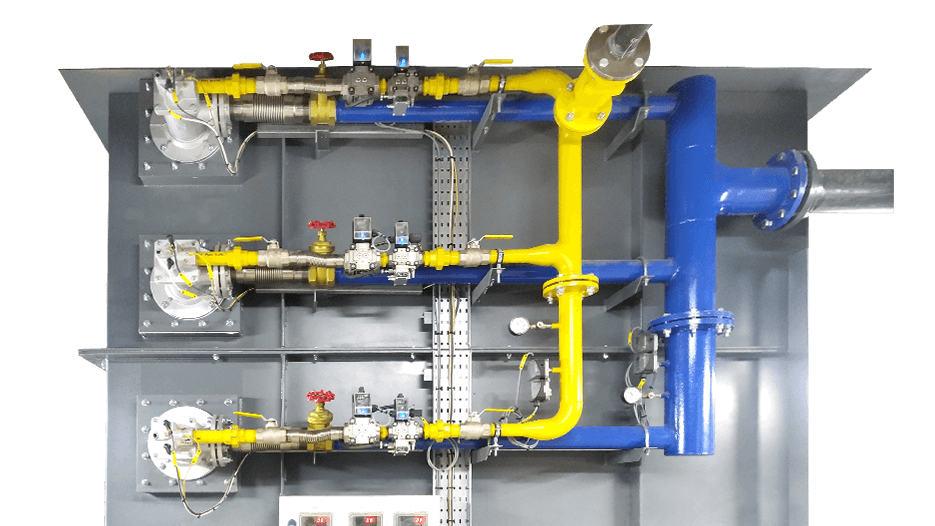
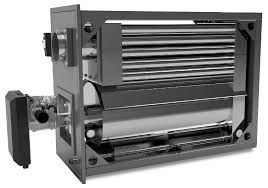
Randomly assembled pumps and filters cannot perform true fuel polishing. Systems engineered by Axon Technic utilize a multi-stage, scientifically designed separation methodology. The process generally consists of the following stages:
| Stage | Filtration Method Applied | Target Contaminants |
|---|---|---|
| Stage 1: Coarse Separation | Magnetic and Inertial Centrifugal Separators | Large rust particles, heavy sediment, and free water masses. |
| Stage 2: Coalescing Layer | Coalescer Filter Elements | Combines microscopic water droplets into larger droplets for efficient removal. |
| Stage 3: Micro-Particle Filtration | High-Density Cartridge Filters (1 to 5 Microns) | Invisible asphaltine deposits, dust particles, and bacterial residues. |
| Stage 4: Conditioning & Stabilization | Optional Biocide Treatment or Magnetic Flow Conditioner | Destroys microbial cell structures and prevents future growth. |
Through this multi-stage closed-loop operation, even heavily contaminated sludge-filled fuel at the bottom of a tank can be restored to a clear yellow or green appearance while achieving full compliance with ISO 4406 fuel cleanliness standards.
Financial and Operational Benefits of Fuel Polishing
Although fuel maintenance may initially appear as an operational expense, it is actually a highly effective preventive investment with substantial return on investment (ROI). The key advantages of Axon Technic Fuel Polishing solutions include:
- Zero Fuel Waste: Thousands of liters of diesel fuel that would otherwise be discarded can be recovered through the polishing process. Disposal costs and fuel replacement expenses are eliminated.
- Generator Reliability: The risk of generators failing to start or shutting down under load during an emergency power outage is virtually eliminated. This prevents data loss in data centers and potentially life-threatening situations in hospitals.
- Extended Injector and Pump Lifespan: Clean fuel reduces wear on the sensitive injectors of modern common-rail diesel engines, minimizing costly repairs and component replacements.
- Reduced Emissions: Cleaner-burning fuel decreases black smoke emissions, lowers the facility’s carbon footprint, and simplifies compliance with environmental regulations.
Why Choose Axon Technic?
Axon Technic does not rely solely on visual inspections to assess fuel quality. Before and after each treatment, we perform laboratory-grade fuel analyses, including water PPM testing and particle count measurements, to verify and document cleaning performance. Whether through our mobile service units or permanently installed automated Fuel Polishing systems engineered specifically for your facility, we help keep your energy infrastructure secure and continuously operational.
Mobile and Permanent (Automated) Fuel Polishing Systems
We offer two different fuel polishing concepts depending on operational requirements:
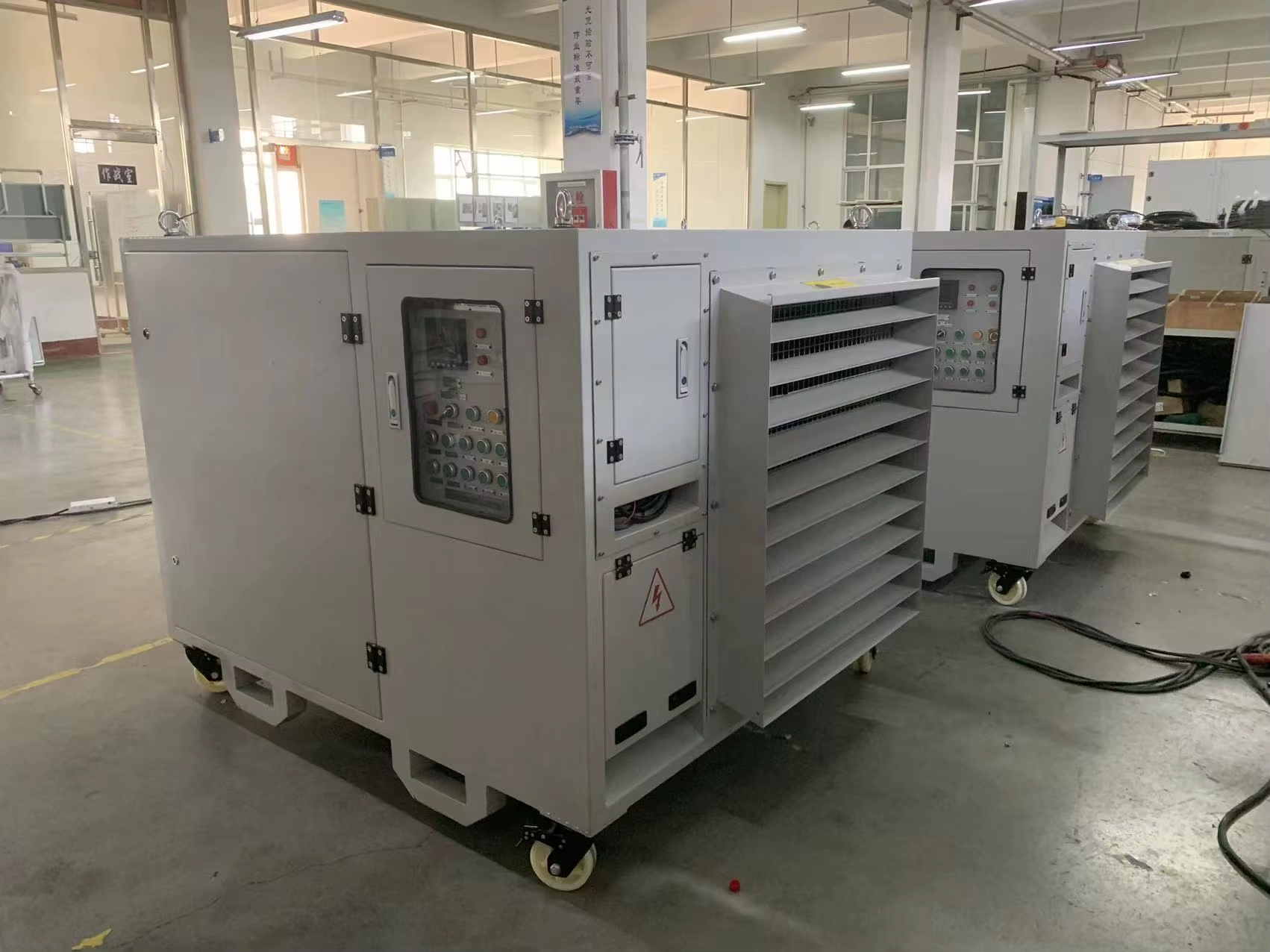
Mobile Fuel Polishing: Typically preferred during annual or semi-annual maintenance periods. Axon Technic technical teams arrive on-site with mobile filtration units, connect temporarily to your storage tanks, perform the cleaning process, and complete the service efficiently. This solution is highly economical for small and medium-sized fuel storage facilities.
Permanent (Automated) Systems: Designed for critical facilities with large-scale fuel storage capacities, such as mission-critical data centers. Installed permanently adjacent to the fuel tank, these systems utilize Programmable Logic Controllers (PLC) to automatically operate according to predefined schedules. By continuously circulating and conditioning the fuel without human intervention, they ensure fuel quality never deteriorates.
Frequently Asked Questions (FAQ) – Fuel Polishing
Conclusion: Keep Your Energy Flowing Cleanly
In uninterrupted power scenarios, the weakest link is often the invisible sludge and water accumulating at the bottom of storage tanks. Supplying the engines at the heart of your power systems with contaminated fuel invites potentially irreversible financial losses. Fuel Polishing has become an essential component of modern facility management.
Protect your fuel storage assets with Axon Technic’s expertise and high-efficiency filtration technologies. Eliminate risks before they emerge, optimize fuel-related costs, and ensure your generators are always ready for operation by contacting our team today.