

What is a Gas Heat Module?
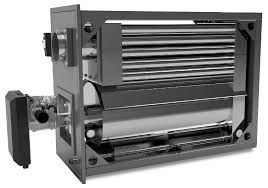
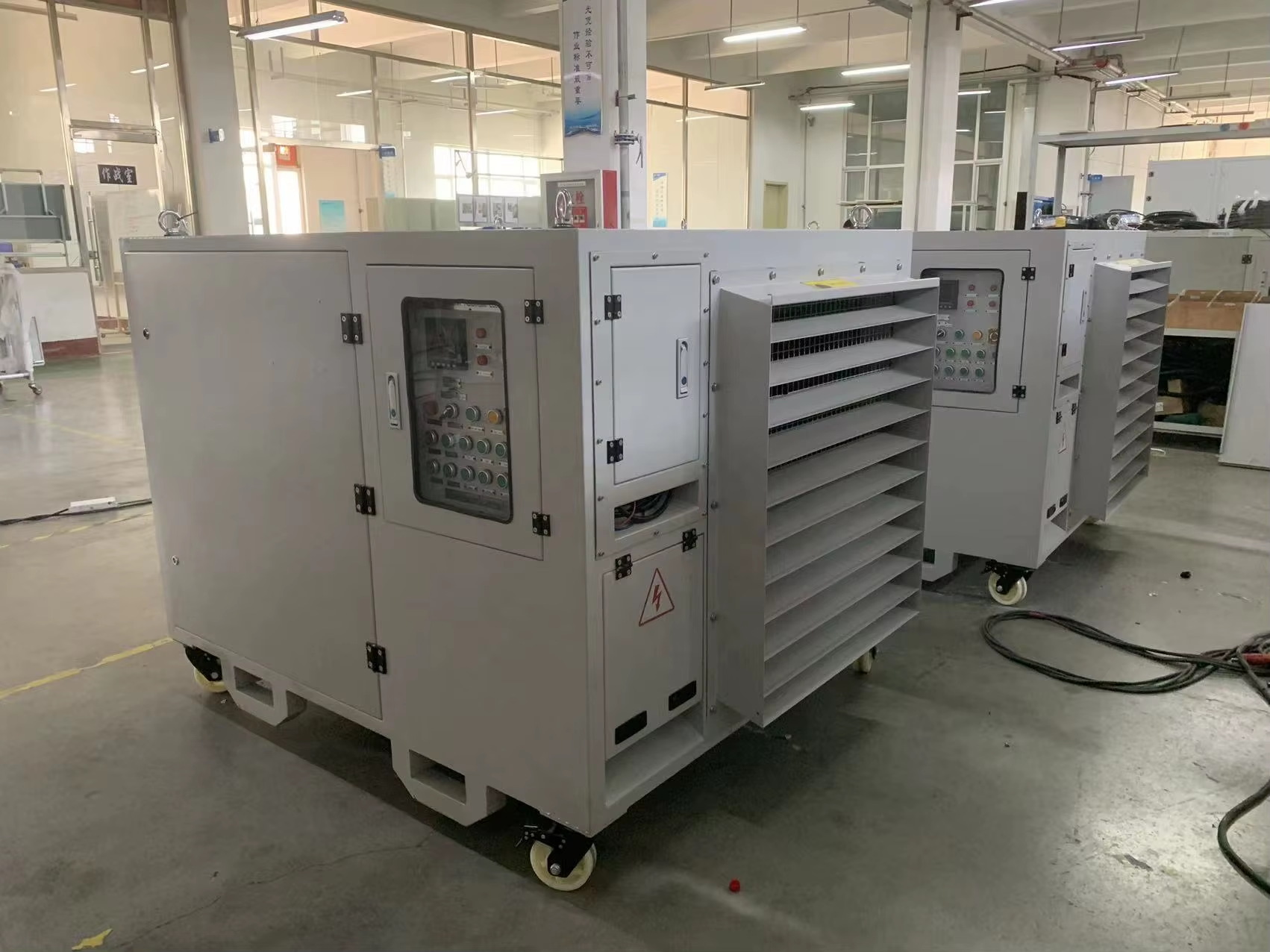
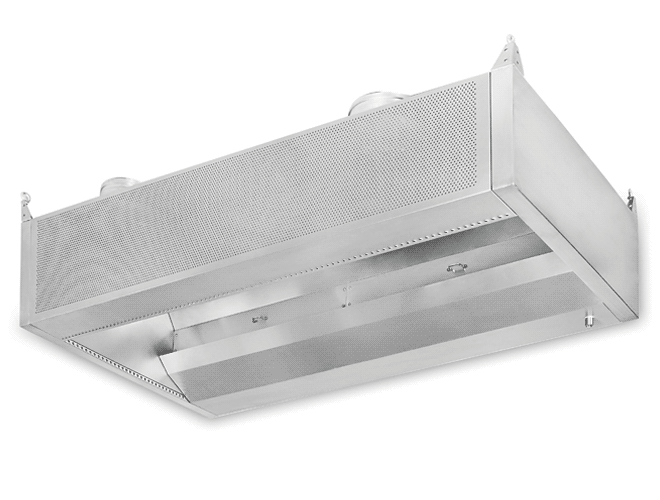
From a technical perspective, a Gas Heat Module is a compact industrial heating unit that burns fossil fuels such as natural gas or LPG through a high-efficiency burner and transfers the generated thermal energy to fresh or recirculated air passing through a specially designed heat exchanger surface. It can be easily integrated into air handling units, rooftop units, or duct-type heating systems as a modular component.
These modules can perform heat transfer either directly (direct-fired) or indirectly (indirect-fired). In industrial HVAC applications, indirect heating is generally preferred to maintain indoor air quality. In indirect systems, combustion gases (flue gases) never come into contact with the conditioned indoor air. Heat transfer is completed through high-strength stainless steel tubes or plates in a completely isolated manner.
Engineering Anatomy and Components of Gas Heat Modules
The safe, efficient, and long-lasting operation of a Gas Heat Module depends on the quality of its components and the synchronization between them. Systems manufactured with Axon Technic engineering consist of the following core components:
1. Industrial Burner System (Combustion Chamber)
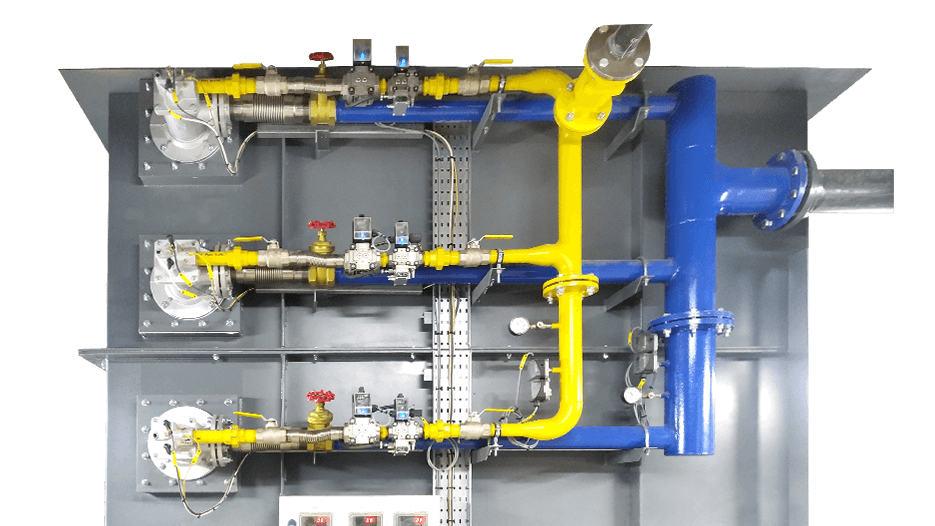
This is the section where gas and air are mixed in optimal proportions and combusted. Modern systems utilize forced-draft premix burner technologies instead of conventional atmospheric burners. This technology ensures complete combustion of the gas, minimizing harmful emissions such as NOx and CO.
2. High-Performance Heat Exchanger
This tubular or plate-type structure carries the high-temperature gases generated during combustion. Cold air flowing across the outer surfaces of these tubes absorbs heat and warms up. Since the exchanger is continuously exposed to high temperatures and condensation acids, the material quality is one of the most critical factors determining the lifespan of the module.
3. Exhaust Fan and Flame Control System
The exhaust fan safely directs combustion gases through the heat exchanger and out through the flue. By maintaining negative pressure within the system, it virtually eliminates the risk of gas leakage. Ionization electrodes and flame detection sensors continuously monitor combustion performance in real time.
Comparison Between Traditional Heating Systems and Gas Heating Modules
When making an investment decision for a facility, balancing initial investment costs with total cost of ownership (TCO) is essential. The performance advantages of gas heating modules over conventional hot water or steam-based central systems can be seen in the following table:
| Comparison Criteria | Central Boiler Systems (Water/Steam) | Axon Technic Gas Heat Module |
|---|---|---|
| Heat Transfer Efficiency | 75% – 85% (including distribution losses through piping systems). | 92% – 105% (heat generated directly within the airflow). |
| Response and Heating Speed | Slow. Water or the boiler itself must first be heated. | Extremely fast. Heat transfer begins the moment the burner ignites. |
| Risk of Freezing | High. Inactive systems require antifreeze or drainage during winter. | None. No water is used as a heat transfer medium. |
| Space and Installation Requirements | Requires a dedicated boiler room, pumps, valves, and piping infrastructure. | Compact design. Installed directly within the air handling unit. |
As illustrated above, eliminating intermediate heat transfer fluids such as water removes piping costs, water treatment requirements, and winter freezing concerns entirely.
Material Engineering: The Importance of Stainless Steel Selection
The heart of a gas heating module is its heat exchanger. During operation, exchanger temperatures can reach between 400°C and 600°C. Once the burner shuts down, the surface cools rapidly. This continuous thermal shock cycle (expansion and contraction) creates material fatigue at the microscopic level. Furthermore, water vapor generated by natural gas combustion condenses on internal surfaces during shutdown periods, forming acidic liquids.
At Axon Technic, we utilize specialized corrosion-resistant and high-temperature-resistant stainless steel alloys:
- AISI 304 Stainless Steel: Provides excellent mechanical strength for high-temperature zones operating under dry and non-condensing conditions.
- AISI 316 / 316L Stainless Steel: Offers maximum chemical resistance against acidic condensate in high-efficiency condensing gas modules, eliminating the risk of perforation and corrosion.
- Aluminized Steel: Provides a corrosion-resistant and cost-effective alternative for entry-level modules where thermal conductivity and economic efficiency are priorities.
Why Choose Axon Technic Gas Heat Module Solutions?
At Axon Technic, we do not view gas heating modules as simple mechanical products. Each project is custom-designed after analyzing the geographic climate conditions of the facility, the required fresh air ratio, and airflow capacity (m³/h). Thanks to our advanced modulating gas valves, burner output can be precisely adjusted between 20% and 100% according to outdoor temperature conditions. As a result, the system consumes only the exact amount of gas required, helping to protect your operational budget.
Applications: Which Industries Use Gas Heat Modules?
Gas heating modules provide flexible solutions for industrial environments with significant ventilation and fresh air circulation requirements.
Automotive and Paint Shop Facilities
In painting processes, temperature and humidity must be controlled with extreme precision. Additionally, a continuous supply of high-volume fresh air is essential. Gas heating modules provide the stable temperatures required by paint booths through their rapid response capabilities.
Logistics Warehouses and Large Hangars
In massive spaces with ceiling heights exceeding 10 meters, Gas Heat Modules integrated into rooftop units distribute heated air evenly throughout the facility using powerful fans, ensuring uniform heating performance.
Textile and Food Drying Processes
Beyond comfort heating applications, indirect gas heating modules provide the clean and safe high-temperature dry air required in industrial drying ovens and process lines.
Safety Protocols and Automation Integration
Whenever gas-fired equipment is involved, safety must remain the highest priority. Axon Technic Gas Heat Modules feature a multi-layered safety chain fully compliant with international EN 1020 and CE standards:
- Airflow Safety Switch: Mechanically prevents burner operation if the main air handling unit fan is not running or if airflow is interrupted.
- Limit Thermostats: Dual-stage safety thermostats immediately shut off gas flow if heat exchanger surface temperatures rise unexpectedly beyond safe limits.
- BMS (Building Management System) Integration: Our modules can connect to facility automation systems through popular industrial protocols such as Modbus and BacNet. Fault conditions, flame quality, and temperature data can be monitored remotely in real time.
Frequently Asked Questions (FAQ) – Gas Heat Module
Conclusion: Your Reliable Partner in Industrial Heat Management
The right climate control strategy not only enhances production quality in industrial facilities but also directly reduces overall operating costs. Rather than transporting energy over long distances, Gas Heat Module systems convert energy into heat exactly where it is needed and at maximum efficiency, making them an essential component of the green factories of the future.
To learn more about Axon Technic’s gas heating solutions—engineered according to advanced engineering standards, premium material quality, and digital automation infrastructure—or to request project-specific capacity calculations and efficiency-focused proposals, feel free to contact our expert technical team at any time.