

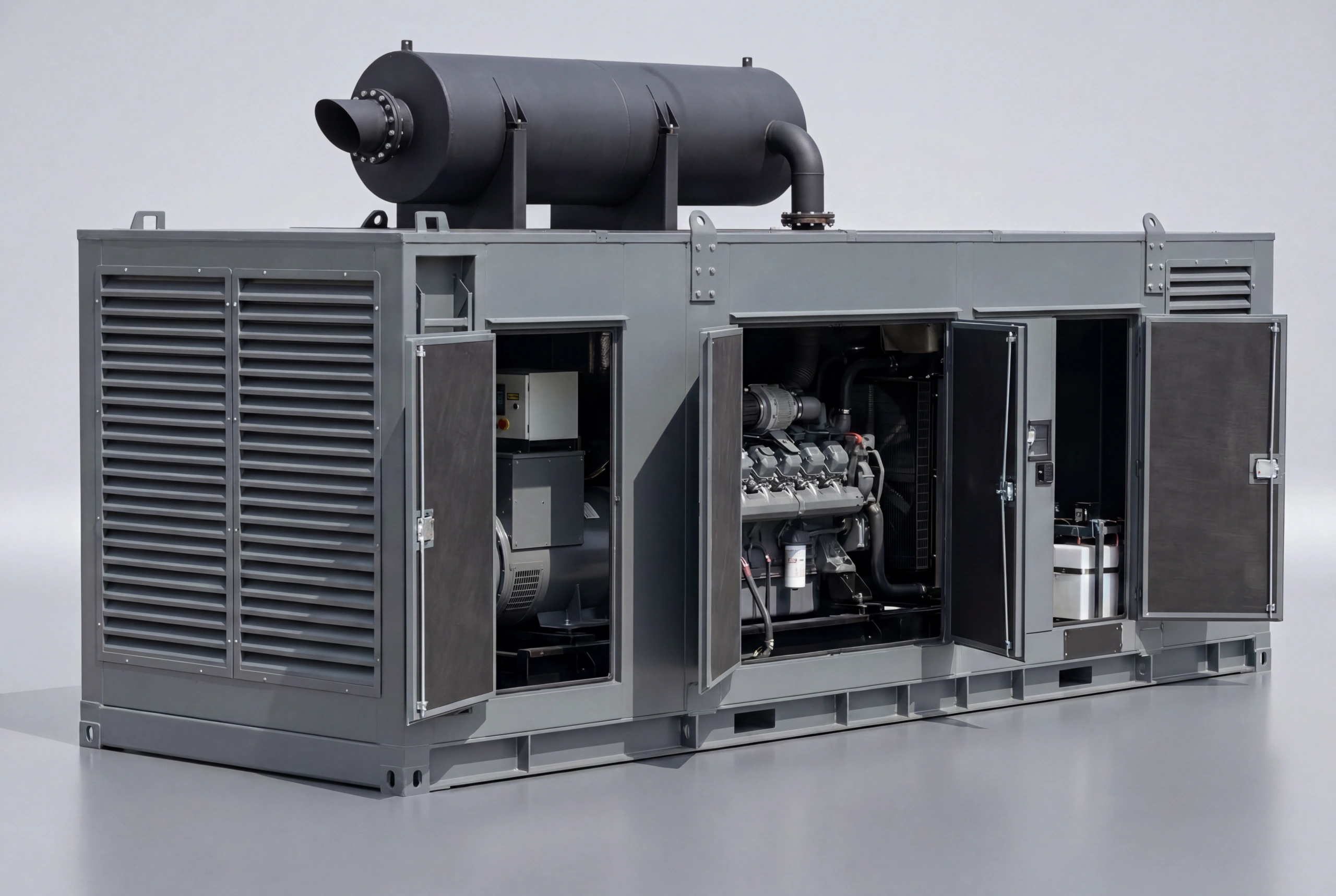
A data center is designed around one promise: the IT load never stops. Utility power can fail for a fraction of a second or for days, and the facility has to ride through both without the servers noticing. The equipment that keeps that promise is a chain - UPS, switchgear, generator sets and everything that keeps those generators ready to run. This article looks at the generator part of that chain and at the auxiliary systems that decide whether a standby set actually performs when it is needed.
How the Power Chain Works
When the utility supply is lost, the UPS - batteries or flywheels - carries the critical load immediately. Its job is to bridge the short interval until the generator sets have started, reached rated speed and voltage, and been connected to the bus. The generators then carry the facility until the utility is back and stable, after which the load is transferred back and the sets cool down and stop.
The UPS bridge is deliberately short, so the generator package has to start reliably every single time, accept large load steps without unacceptable voltage and frequency dips, and then run for as long as the outage lasts. Each of those three requirements depends as much on the auxiliary systems as on the engine itself.
Ratings and Redundancy
Generator sets are rated under ISO 8528-1, which distinguishes between emergency standby, prime and continuous operation. Because a data center outage has no predictable end, many engine manufacturers also publish a dedicated data center rating that allows the set to run at a defined load for an unlimited number of hours. The rating chosen for a project determines the engine, the alternator and the cooling, exhaust and fuel systems that must be sized around it.
Redundancy is described in terms of the load: N sets carry the load, N+1 adds one spare, 2N duplicates the whole system. Higher redundancy levels, such as those defined in the Uptime Institute Tier classification, also require that maintenance can be carried out without taking the facility off generator protection - which affects how fuel, cooling and control systems are arranged and isolated.
What Surrounds the Engine
A generator set on its own is not a standby power system. To be ready at any moment, it needs:
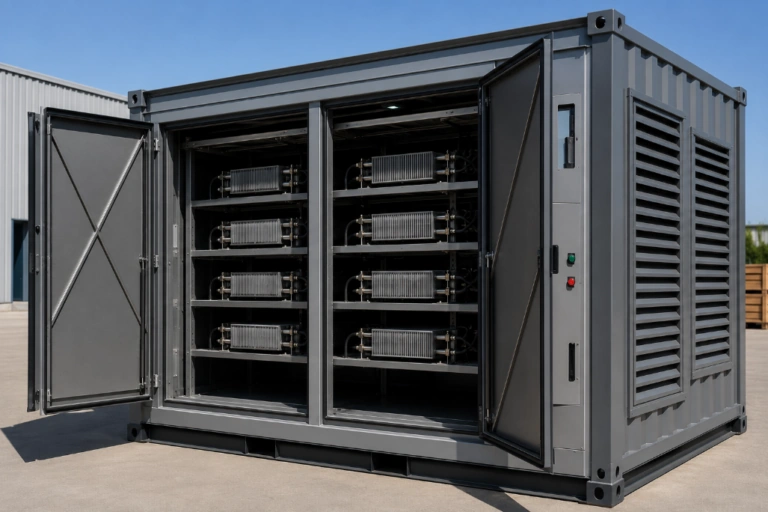
- Engine pre-heating that keeps the HT and LT cooling circuits at start temperature, so the engine starts quickly and accepts load without thermal stress.
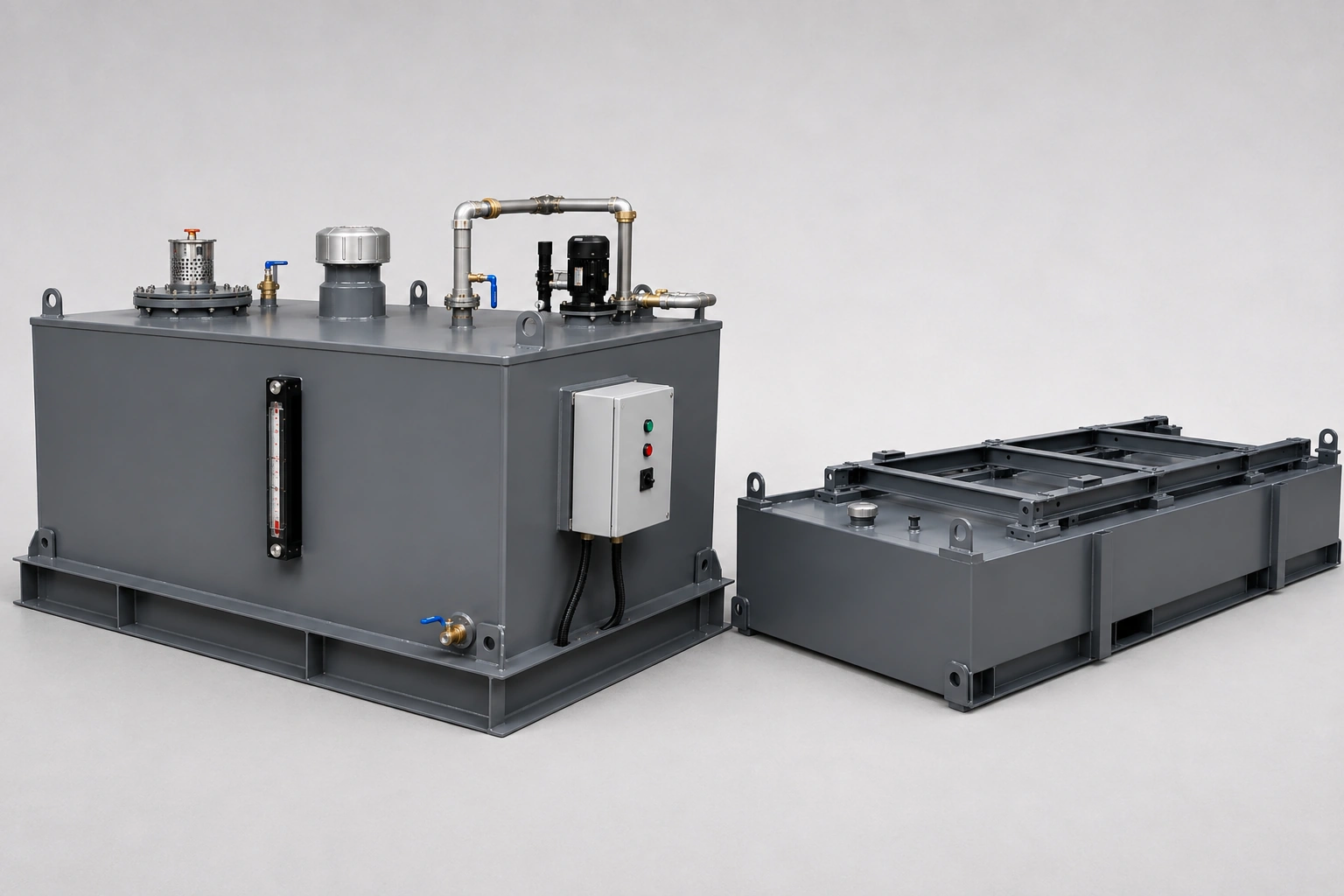
- Clean, available fuel - base or day tanks close to the engine, transfer from bulk storage and, for fuel that may sit for years, polishing to remove water and contamination.
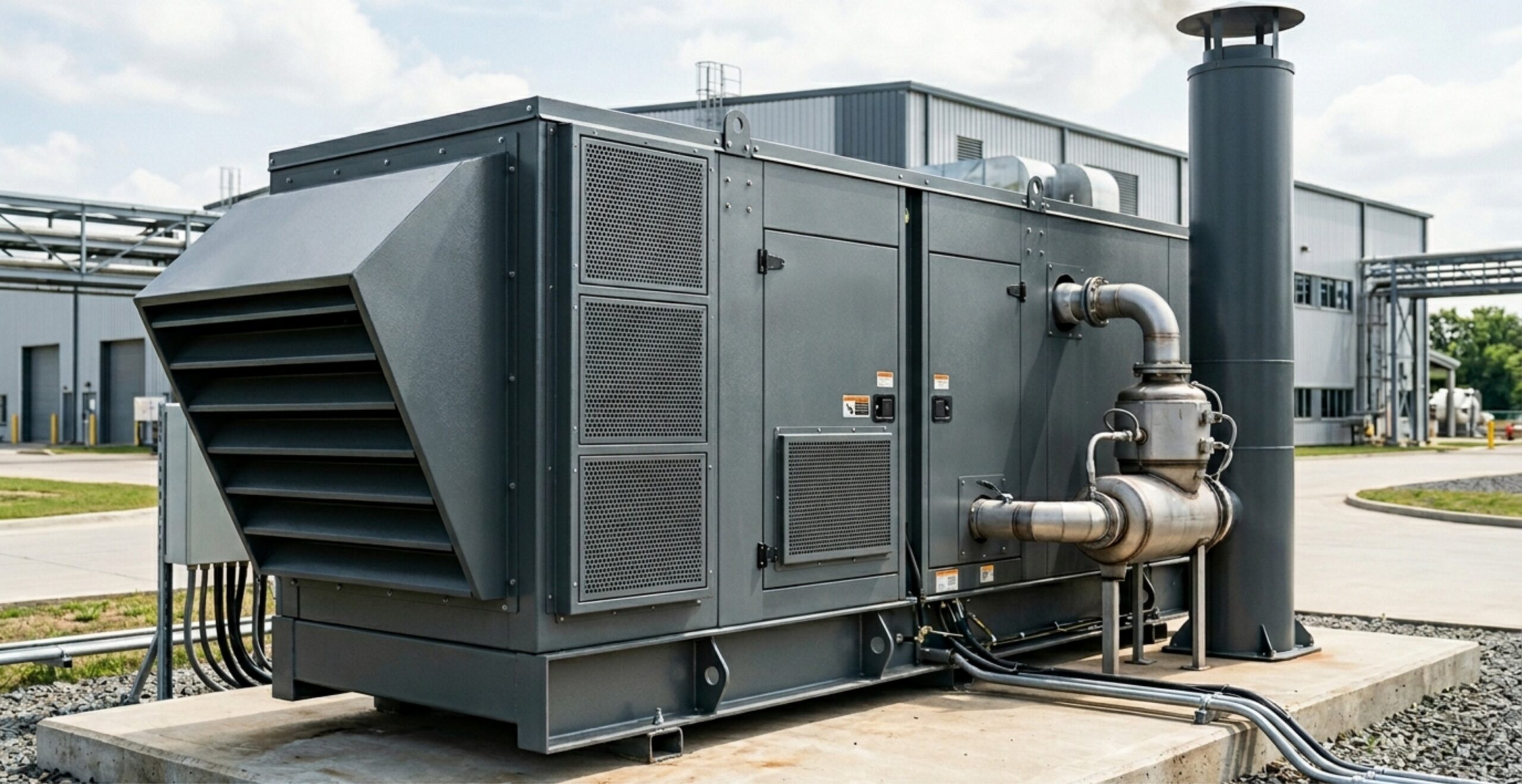
- Combustion and cooling air delivered through inlet hoods and attenuators, and hot air discharged without recirculating back into the intake.
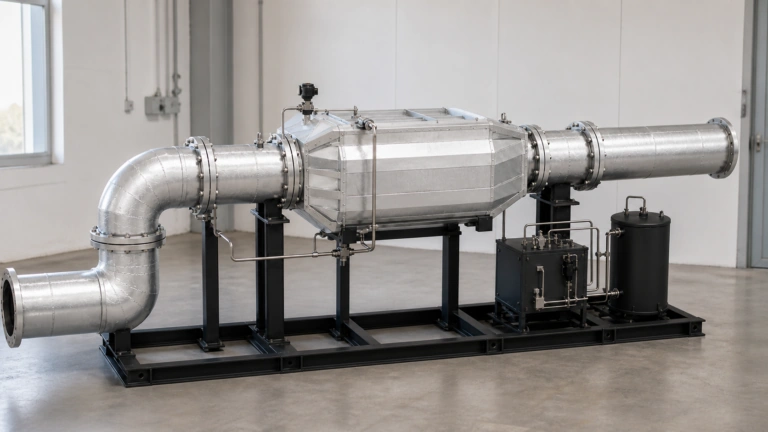
- Exhaust systems sized for the engine's back-pressure limit, with silencers and, where local permits demand it, SCR for NOx reduction.
- Auxiliary electrical systems - MCC cabinets for pumps, fans, heaters and lighting, and breaker panels that protect the output path.
- A protected enclosure that keeps all of this together, quiet and serviceable on the site.
Each of these is a point where a standby system can fail even when the engine is perfectly healthy: a cold engine, a blocked fuel filter or an overheated container hall will stop a set just as surely as a mechanical fault.
Designing for the Site
Data centers are increasingly built close to cities and close to available grid capacity, which brings tighter limits on noise at the property line and on exhaust emissions. At the same time, larger campuses need more and larger generator sets on a limited footprint. The auxiliary systems therefore have to be engineered for the specific site: the design ambient temperature, the altitude, the noise target at a stated distance, the emission limits of the permit and the fuel autonomy the owner requires.
Conclusion
Standby power for a data center is judged in the few seconds after a utility failure and in the hours that follow. Getting there is a matter of treating the generator set and its auxiliary systems as one package - designed together, tested together and maintained together. AXON Technic designs containers and auxiliary systems around the generator sets our customers select, for exactly that purpose. Contact our team to discuss your project.